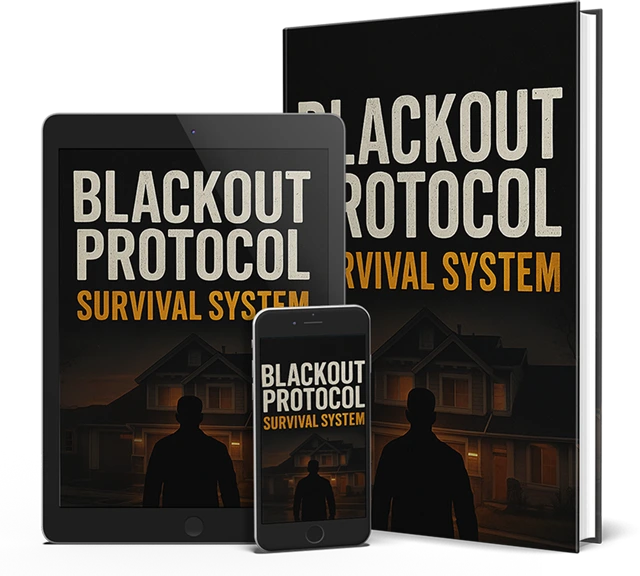
Blackout Protocol Survival System is a practical digital preparedness guide for households that want to be better prepared when the power goes out. A prolonged blackout can affect lighting, food storage, communication, heating, cooling, and everyday routines—often when you least expect it.
This guide brings essential preparedness topics together in one place, including emergency water, food storage, backup lighting, alternative cooking, electronics protection, and household planning.
Whether you're a homeowner, parent, off-grid enthusiast, or simply someone who values self-reliance, Blackout Protocol gives you a practical starting point to build a smarter emergency plan before you actually need one.
Blackout Protocol Survival System is a digital emergency preparedness guide created for people who want to be better prepared for unexpected power outages and disruptions to everyday services. Instead of waiting until an emergency happens, the guide encourages households to think ahead and organize practical resources that may become important during an extended blackout.
The material covers several areas of household preparedness, including emergency water planning, food storage, lighting, cooking, heating considerations, communication, electronics protection, and basic home security. These topics are presented as part of a broader approach to household resilience and self-reliance.
The guide can be relevant to homeowners, families, rural households, off-grid enthusiasts, and anyone interested in emergency preparedness. It can also be useful for people living in areas where severe weather, storms, winter conditions, wildfires, or infrastructure problems can sometimes cause power interruptions.
One of the main ideas behind the system is simple: preparation is easier when it happens before you need it. Having essential supplies identified, knowing where they are stored, and having a basic family emergency plan can reduce confusion when normal routines are disrupted.
Blackout Protocol Survival System also includes information related to EMP preparedness and protecting important electronics. These topics can be considered alongside more common emergency situations rather than treating one particular scenario as inevitable.
The Blackout Protocol works as a practical digital preparedness system that helps you think through what your household may need during an unexpected or extended power outage. Rather than depending on last-minute decisions, it encourages you to prepare essential resources and create a simple plan before an emergency occurs.
The system covers several important areas of preparedness, including water, food, emergency lighting, cooking, heating, communication, electronics protection, and household security. Each area helps you identify potential challenges and consider practical ways to manage them.
The approach begins with understanding your household's specific needs. You can review your current supplies, identify potential gaps, and decide which preparations make sense for your location and circumstances. For example, you might consider how your family would access drinking water, prepare meals, stay informed, charge essential devices, or remain comfortable if electricity were unavailable for an extended period.
The system also includes information about EMP preparedness and protecting selected electronic devices. This can be considered as one part of a broader emergency-preparedness strategy rather than the only reason to prepare.
The overall process is straightforward: learn the key preparedness principles, evaluate your current situation, organize essential supplies, and develop a household emergency plan. By taking these steps ahead of time, you can approach unexpected disruptions in a more organized and informed way.
Blackout Protocol is therefore less about predicting what will happen and more about helping you prepare for different possibilities with a practical, household-focused approach.
Mark R., Nevada
⭐⭐⭐⭐⭐
“I liked how the Blackout Protocol brings several preparedness topics together in one place. The sections on water, food, lighting, and emergency planning gave me a much clearer idea of what I should have ready at home.”
Sandra J., Illinois
⭐⭐⭐⭐⭐
“I had been thinking about preparing for power outages but wasn't sure where to start. The Blackout Protocol gave me a simple framework to review my household supplies and make a basic emergency plan.”
Paul S., Florida
⭐⭐⭐⭐⭐
“The Blackout Protocol helped me look at emergency preparedness from a more practical perspective. I especially appreciated having different preparedness topics organized together instead of searching for information from multiple places.”
The story behind Blackout Protocol begins with a man identified on the sales page as Mr. Carter, described as a retired Army engineer with years of experience developing practical preparedness methods.
Carter had created his own approach to dealing with extended power outages and other disruptions. His methods focused on practical household needs such as maintaining warmth, securing water, preserving food, managing lighting, protecting important electronics, and staying prepared when normal services were unavailable.
After experiencing a serious winter blackout, the narrator says he discovered Carter's approach and learned from his preparedness methods. What started as personal notes and practical ideas was eventually organized into a structured digital guide designed to help ordinary households prepare ahead of time.
The Blackout Protocol concept is built around a straightforward principle: you may not know when an extended outage will happen, but you can take reasonable steps to become better prepared before it does.
The system brings these preparedness ideas together so readers can review their household needs, identify potential gaps, and develop a practical emergency plan suited to their own circumstances.
The Blackout Protocol is based on practical emergency-preparedness principles rather than a single piece of technology or equipment. Its approach starts with a simple reality: modern homes depend on electricity for many everyday functions, including lighting, refrigeration, communication, heating, cooling, water systems, and charging electronic devices.
When electricity is unavailable, these interconnected systems can become less convenient or temporarily unavailable. Preparing in advance can therefore involve identifying essential needs and establishing alternatives where appropriate.
The system covers areas such as emergency water, food storage, lighting, cooking, heating, communication, and protection of selected electronics. These areas reflect common preparedness priorities because access to basic resources becomes particularly important when normal infrastructure is disrupted.
The Blackout Protocol also discusses electromagnetic pulse, or EMP, preparedness. An EMP refers to a burst of electromagnetic energy that can potentially interfere with or damage electronic equipment under certain circumstances. The effects can vary considerably depending on the source, intensity, distance, equipment, and other technical factors. For this reason, electronics protection should be approached as one part of broader emergency planning rather than as a guarantee against every possible disruption.
The practical principle behind the system is preparation through planning. By reviewing household requirements, organizing essential supplies, considering backup options, and creating an emergency plan, families can be better organized when unexpected power interruptions occur.
1. Homeowners
Homeowners who want to review their emergency supplies and create a practical preparedness plan for their household.
2. Families
Parents and families who want to think ahead about water, food, lighting, communication, and other essentials during an extended power outage.
3. Off-Grid Enthusiasts
People interested in off-grid living, self-reliance, homesteading, and developing greater household independence from everyday infrastructure.
4. Rural Households
People living in rural or remote areas who may want to consider additional preparation for situations where services or assistance could take longer to restore.
5. Preparedness Beginners
Anyone who is interested in emergency preparedness but isn't sure where to begin can use the guide as a structured starting point.
6. Storm-Prone Households
People who regularly prepare for hurricanes, winter storms, severe weather, wildfires, or other events that can cause temporary power interruptions.
7. Self-Reliance Enthusiasts
Individuals who prefer planning ahead and maintaining essential household resources so they can respond more calmly when unexpected disruptions occur.
- Covers multiple areas of household preparedness in one digital resource.
- Includes topics such as water, food, lighting, cooking, heating, electronics, and emergency planning.
- Useful for beginners who need a structured starting point.
- Can complement existing emergency preparedness plans.
- Relevant to households preparing for extended power outages and severe weather.
- Includes additional information related to EMP preparedness and electronics protection.
- Digital format makes the material convenient to access and review.
- It is a digital guide, not a physical emergency kit or backup-power device.
- Some recommendations may need to be adapted to your location, household size, budget, and circumstances.
Blackout Protocol provides a structured digital resource for people who want to take household emergency preparedness more seriously. Instead of focusing on just one type of emergency, it brings together several practical areas, including water, food, lighting, cooking, heating, electronics protection, communication, and household planning.
The guide may be particularly useful for beginners who want a starting point for organizing their preparedness efforts. It can also complement existing plans for homeowners, families, rural households, and people interested in self-reliance or off-grid living.
At the same time, Blackout Protocol should be viewed as an informational resource rather than a replacement for emergency services, professional advice, physical equipment, or official guidance. Some preparations will require additional supplies and should always be adapted to your household's specific needs and local safety requirements.
Overall, the main value of Blackout Protocol is its structured approach to thinking ahead. If your goal is to review your household's readiness and create a practical plan for potential power interruptions and other disruptions, the guide can provide useful topics and ideas to consider before an emergency happens.
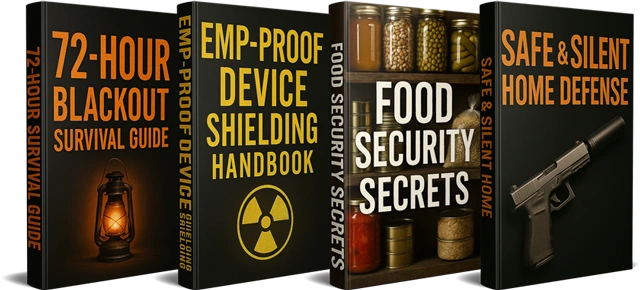
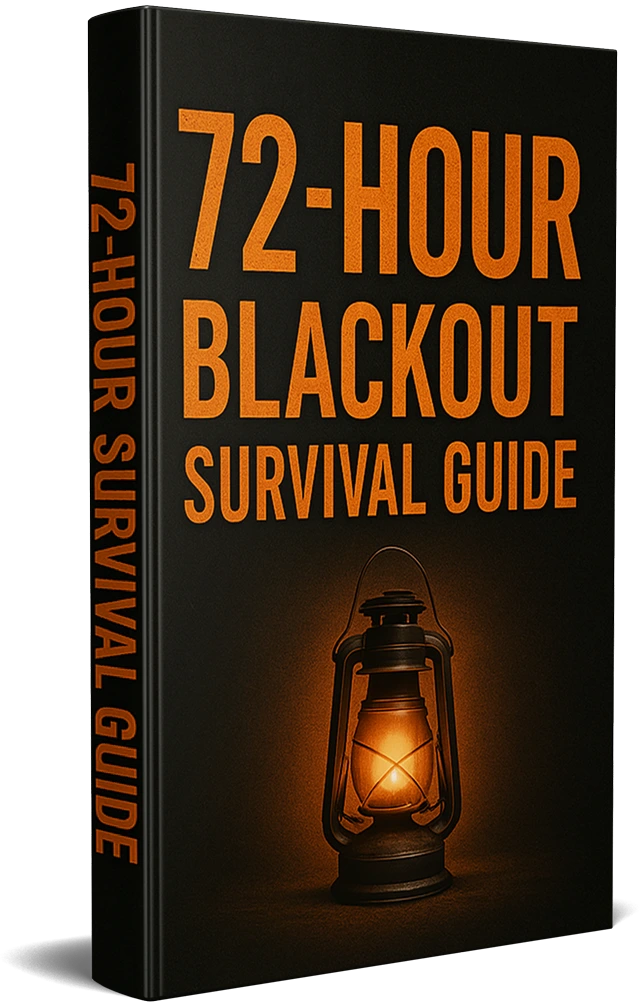
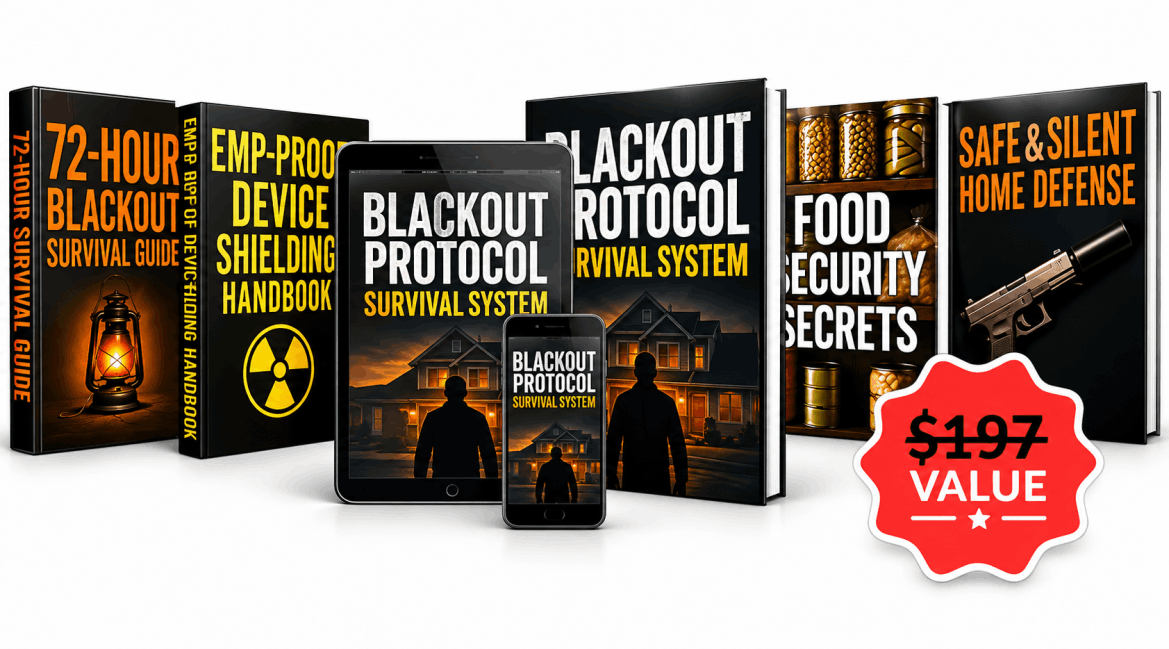
When the power goes out, knowing what to do can make a big difference. This quick-action guide walks you through the first 72 hours, covering essential priorities like warmth, food, water, lighting, and household safety, while helping you avoid common mistakes and stay organized when normal routines are disrupted.
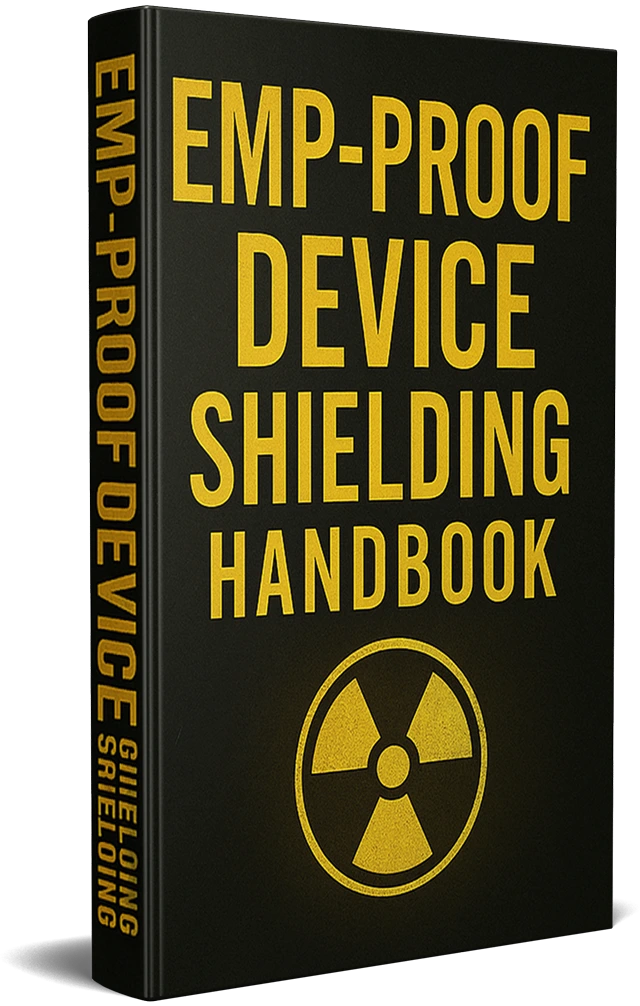
An EMP can severely damage modern electronics within seconds. This guide shows you how to protect essential devices—such as radios, flashlights, and solar chargers—using simple, readily available materials. You’ll also discover the common mistake that can make a “Faraday cage” ineffective, helping you keep critical devices protected, accessible, and ready when you need them most.
Skip expensive emergency food kits. This guide shares time-tested food preservation methods for creating a long-lasting supply at home. Discover which foods can be stored for years without refrigeration, practical ways to preserve and protect them, and simple pantry-rotation strategies to keep your food reserve organized, fresh, and ready when needed.
When emergency services are unavailable, your home may become your first line of defense. This guide reveals simple, affordable ways to make your property less appealing to potential intruders. Learn how to use lighting, sound, and basic structural measures to improve home security discreetly and effectively—even during extended power outages or blackouts.
Blackout Protocol comes with a 60-day, 100% money-back guarantee, giving you time to explore the digital preparedness resources and decide if they suit your needs.
If you’re not satisfied with your purchase, you can request a refund within the 60-day guarantee period, subject to the applicable terms and conditions.
Blackout Protocol is a digital emergency preparedness guide covering topics such as power outages, water, food, lighting, cooking, heating, electronics protection, and household emergency planning.
No. Blackout Protocol is a digital information product. It does not include a physical generator, battery, survival kit, or other hardware.
The guide is suitable for homeowners, families, rural households, preparedness beginners, off-grid enthusiasts, and anyone interested in improving household emergency readiness.
Key topics include emergency water, food storage, lighting, alternative cooking, heating considerations, electronics protection, household security, and emergency planning.
Yes. The guide can provide a structured starting point for people who are new to emergency preparedness and want to understand the key areas they should consider.
Yes. Blackout Protocol comes with a 60-day, 100% money-back guarantee.
Absolutely. When you purchase the Blackout Protocol Program, your credit card and personal information are 100% secure. All payments are processed through ClickBank, one of the most trusted and well-established online payment platforms globally. ClickBank uses advanced encryption technology and secure servers to protect your data from any unauthorized access. Your personal and payment details are never stored or shared, so you can complete your order with total confidence. Your privacy and security are top priorities throughout the entire checkout process, giving you complete peace of mind.
The team behind the Blackout Protocol Program is confident in the value and effectiveness of what it offers—which is why your purchase comes with a 60-day, 100% money-back guarantee.
If for any reason you’re not satisfied with the program or feel it hasn’t lived up to your expectations, you can request a full refund within 60 days, no questions asked. It’s a completely risk-free opportunity to try the system, build your own solar setup, and see how much you can save on your electricity bills—all with total peace of mind.
Email : support@empblackoutprotocol.com